




23 Feb A Case Study: A Boy Named Alex with Conduct Disorder
Symptom Profile
Alex, an 11-year-old student, has exhibited behaviors consistent with Conduct Disorder, as outlined in the DSM-5. These behaviors include frequent temper outbursts, physical aggression towards peers, deliberate destruction of property, and a persistent pattern of rule violation. His teachers report regular instances of verbal aggression, defiance, and a lack of remorse for his actions, which significantly impair his social and academic functioning.
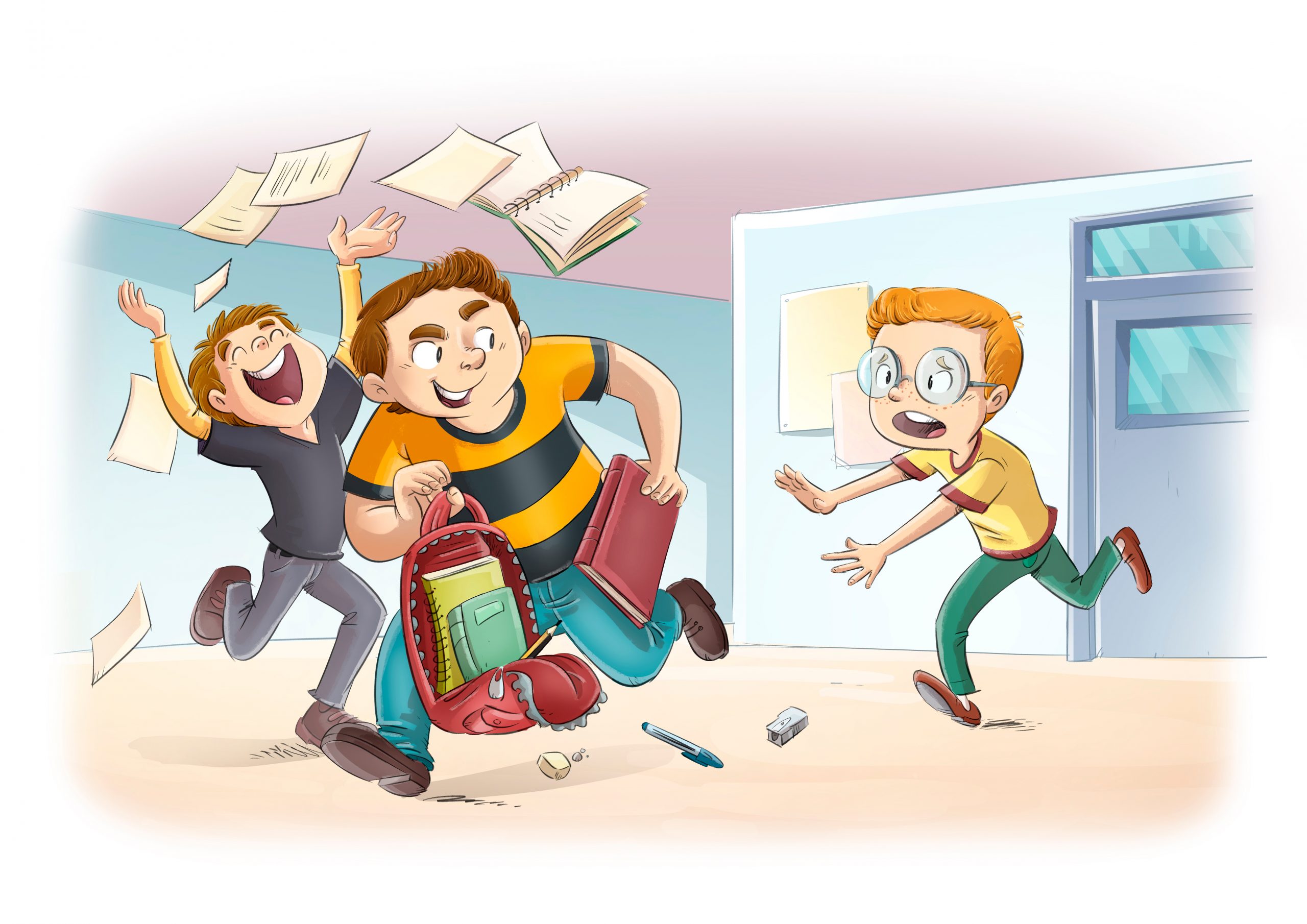
Since he was a young child, Alex has displayed frequent and severe emotional outbursts in school, often with physically aggressive behaviors, such as shoving his school supplies onto the floor or throwing things. He also engages in frequent aggressive interpersonal actions, such as tripping other children or pushing on the playground. Alex struggles with following directions, frequently refusing to engage in classroom group activities or actively defying a teacher’s instruction. Alex often verbally bullies other students; however, this year, his behavior has escalated, engaging in physical bullying through posturing and stabbing another student in the hand with a pencil. Alex is often late to classes and lies to his teacher about why his work is not done. Alex has an IEP; however, is not receiving any formal treatment outside of school. Alex is at risk of failing the 5th grade.
Precipitating Factors and Triggers
An in-depth analysis reveals several precipitating factors contributing to Alex’s behavior. Family dynamics, characterized by high conflict and minimal emotional support, have played a critical role. Both of Alex’s parents are known in the community as having substance abuse problems, and there are frequent police calls to the home for domestic violence. Alex has been bullied as a young child at school due to his poor physical appearance and clothing. He does not have any peers at school he spends time with. Alex has struggled academically since the 1st grade, performing in the bottom percentile in math and reading. Alex often voices unfair criticism, leading to explosive reactions.
Evidenced-Based Practices for School-Based Interventions
Schools can be an ideal setting for interventions aimed at supporting youth with emotional and behavioral disorders. Teachers and staff are well-positioned to observe and respond to any behavioral concerns and have the opportunity to witness social interactions, offering valuable insight into triggering factors. Schools can provide various resources and support to help students with emotional and behavioral challenges succeed academically and socially. By addressing these issues early on in a school setting, interventions can help prevent more severe problems from developing later on and support the long-term success of students with emotional and behavioral disorders.
Content shared is for educational purposes only and does not constitute psychological or medical advice. Case examples are composite and used for illustrative purposes.