




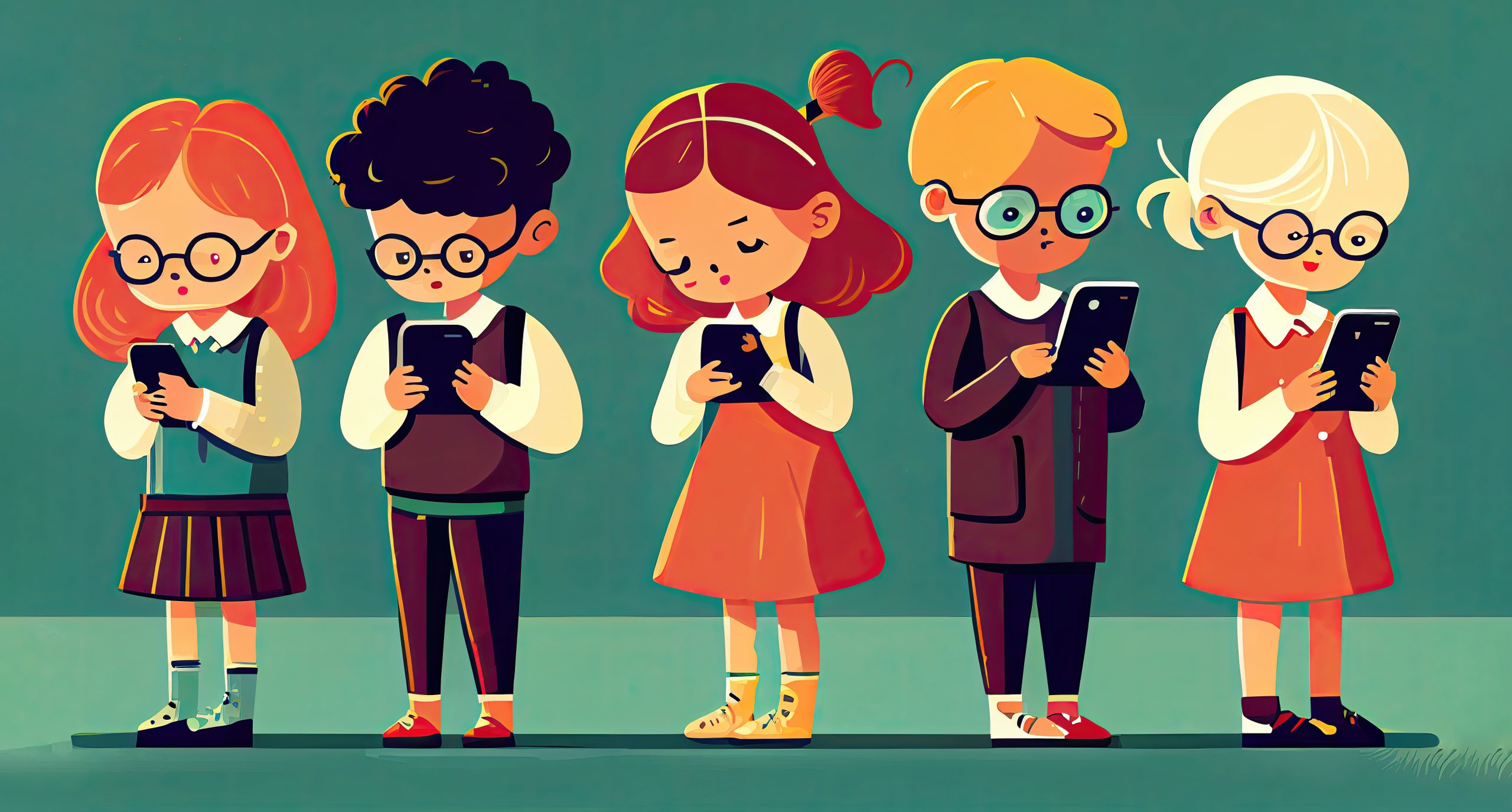
23 Feb Ongoing Research: The Impact of Social Media on Mental Health in Youth
The U.S. Surgeon General issued a social media and youth mental health advisory in 2023. This report highlights that despite this wide spread use of social media, there is limited research into the impact of social media on mental health, particularly in youth.
While there is limited research on the relationship between social media usage and mental health, in the past decade, a growing body of research has highlighted the potential risks of heavy social media usage among adolescents.
A 2019 study in JAMA Psychiatry found that american teenagers ages 12-15 who spent more than 3 hours daily on social media were at double the risk of experiencing adverse mental health outcomes.
A previous study in the Journal of Affective Disorders (2017) found that increased time spent using social media was significantly associated with higher levels of dispositional anxiety symptoms among adolescents.
Rumination, a hallmark symptom of anxiety disorders, often manifests as repetitive and intrusive thoughts focused on perceived threats or worries.
Anxiety can cause a cycle of overthinking, replaying past events, or anticipating future scenarios.
Rumination tends to be self perpetuating, as the more one dwells on their anxious thoughts, the more entrenched they become, reinforcing a pattern of anxious thinking.
Social media can significantly contribute to increased rumination particularly for youth already prone to anxiety.
The culture of comparison, where users measure their worth based on “likes”, followers and social validation, can amplify feelings of inadequacy and self doubt.
A 2023 study in Addictive Behaviors found that higher levels of internalizing symptoms, such as depressive and anxiety symptoms, were associated with more problematic social media use, primarily due to increased ruminative thinking.
The study prompts the need for further investigation, into the role of rumination in problematic social media use.
While the impact of social media on mental health is still an area of on-going research, mental health professionals, parents and educators have the ability to influence the outcome of social media on youth’s mental health.
Additional research into the impact of social media is warranted; however, assessing and addressing problematic social media use can help to mitigate the potential risks, promoting youth’s mental well-being and overall health.
Content shared is for educational purposes only and does not constitute psychological or medical advice. Case examples are composite and used for illustrative purposes.