




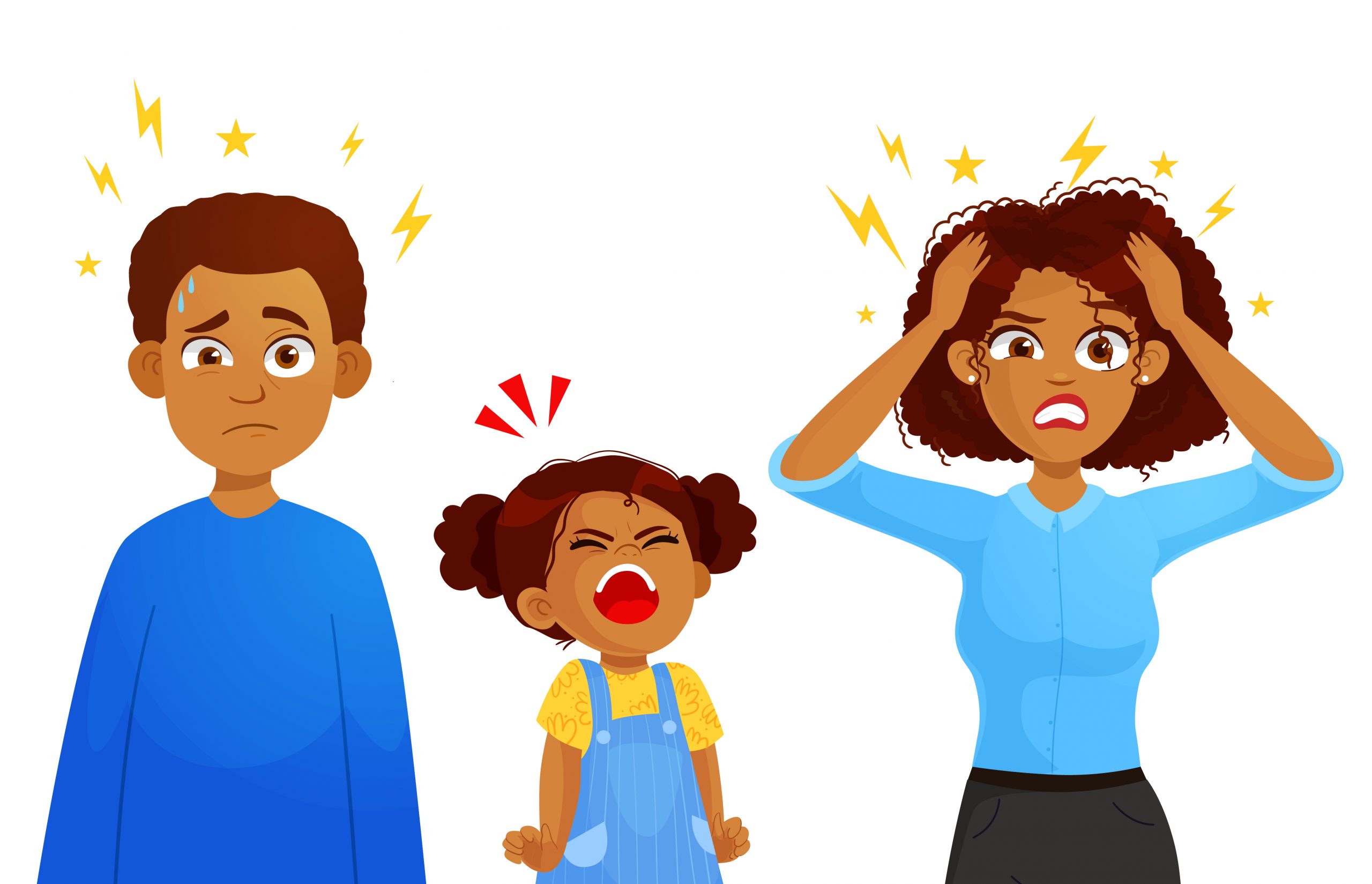
23 Feb The Impact of Highly Stressed Parents on Children’s Personality and Mental Well-being
Parenting is a complex and demanding role that requires emotional resilience and adaptability. However, in today’s fast-paced and competitive world, many parents struggle with high stress levels, which can significantly affect how parents interact with their children. A relationship exists between highly stressed parents and an adverse subsequent impact on their children’s personality and mental well-being.
Effects on Children’s Personality
Anxiety and Insecurity: Children of highly stressed parents may develop heightened levels of anxiety and insecurity. The uncertainty and unpredictability associated with a stressed environment can create a sense of instability, affecting a child’s ability to trust and feel secure.
Emotional Regulation Challenges: The emotional turbulence experienced by stressed parents can influence children’s emotional regulation skills. Children may struggle to manage their own emotions, leading to difficulties in forming healthy relationships and navigating social situations.
Perfectionism and High Expectations: Stressed parents, often striving for perfection in their own lives, may unintentionally impose high expectations on their children. This pressure can contribute to the development of perfectionistic tendencies in children, potentially leading to self-esteem issues and fear of failure.
Effects on Children’s Mental Well-being
Increased Risk of Behavioral Health Disorders: Research suggests a correlation between parental EA and an increased risk of mental health disorders in children. Chronic exposure to stress during childhood can contribute to conditions such as anxiety disorders, depression, and attention-deficit/hyperactivity disorder (ADHD). In addition, there is empirical evidence that there is an increased risk of substance use in youth.
Impaired Cognitive Development: Research has negatively correlated children’s cognitive development with toxic stress. Factors such as lack of emotional support, inconsistent parenting, and reduced mental stimulation may hinder a child’s cognitive growth and academic performance.
Long-Term Consequences: The effects of parental stress on children’s mental well-being can extend into adulthood. Individuals raised in high-stress environments may be more susceptible to mental health challenges later in life, emphasizing the need for early intervention and support.
Content shared is for educational purposes only and does not constitute psychological or medical advice. Case examples are composite and used for illustrative purposes.